
Windsor Previous Resident Sources
A Windsor address can outlast its street number, owner, and postal label. Match the source to the period and keep owners separate from occupants. Parcel cards and deeds are strongest for title. Directories and census material can reveal households, including people who never owned the land. Maps, permits, probate records, and house files explain changes between those dated records.
| Source | Local coverage | Keeper | Best evidence |
|---|---|---|---|
| Windsor land index | Town index from 1640; regular online workflow from 1970; images from June 26, 1971 | Town Clerk and SearchIQS | Transfers, parties, book/page, legal description |
| Windsor maps | SearchIQS map data from 1881 | Town Clerk and SearchIQS | Plats and parcel context |
| Sanborn maps | 1887, 1921, and 1927 | Library of Congress | Building footprints and fire-risk details |
| Regional directories | Hartford catalog run 1838–1929; Windsor inclusion varies | Libraries and WHS | Dated names, trades, villages, and addresses |
| Federal census | Public through 1950; 1890 unavailable | NARA and library databases | Households on one census date |
| WHS house files | More than 250 properties; dates vary | Windsor Historical Society | Maps, deeds, tax notes, photos, and family leads |
For a recent Windsor address, start with the property card and latest deed. For an early twentieth-century household, begin with the road, village, or trolley landmark, then compare a directory with a census year. Older questions often require Town Clerk books and Historical Society files. No one row supplies a complete list of previous residents.
Anchor Windsor Previous Residents
The public Windsor Property Cards search accepts a street address or file code, but not an owner-wide name search. Use town abbreviations such as ST, RD, and DR. A card can supply owner and mailing address, sale history, map/block/lot, file code, acreage, building facts, sketch, and a printable record.
Copy the situs address, the parcel's physical location, separately from the owner mailing address. Save the file code and map reference. Those identifiers survive spelling changes better than a street string. The card is a dated ownership snapshot, not proof that the owner occupies the house or that all previous residents appear in the sale history.
Note: Keep each card date and parcel identifier beside the Windsor address before moving into older sources.
Walk Windsor Resident Deeds Backward
Windsor has no county recorder. The Town Clerk land-record page and SearchIQS Windsor are the official route. A chain of title is the linked series of transfers for one parcel. Begin with the current owner and the latest book/page shown on the card.
- Record the current owner, file code, map/block/lot, sale date, and book/page.
- Find that purchase by party, date, document type, book/page, or instrument number.
- Read the deed for the seller, or grantor, and buyer, or grantee.
- Search the seller as an earlier grantee and match the legal description.
- Repeat until the web trail ends, then use
INDEXBOOKSor inspect Town Hall books.
- Grantor and grantee
- The grantor transfers an interest; the grantee receives it.
- Chain of title
- The sequence of recorded transfers tied to the same land.
- Legal description
- The deed's lot wording or bounds, often more stable than a house number.
The Town Clerk says its index reaches 1640, while the normal indexed online route runs from 1970. SearchIQS publishes images from June 26, 1971. The newest 20 days may not yet be audited. Search variants, initials, estates, and trusts, then verify an unclear transfer at the clerk's office.
Search Windsor Resident Deed Fields
The SearchIQS help screen documents parties, dates, document groups, town, book/page, instrument and case numbers, plus wildcard searches. Address indexing is not universal, so use a person or citation when a street search fails. The SearchIQS search help shows those controls.
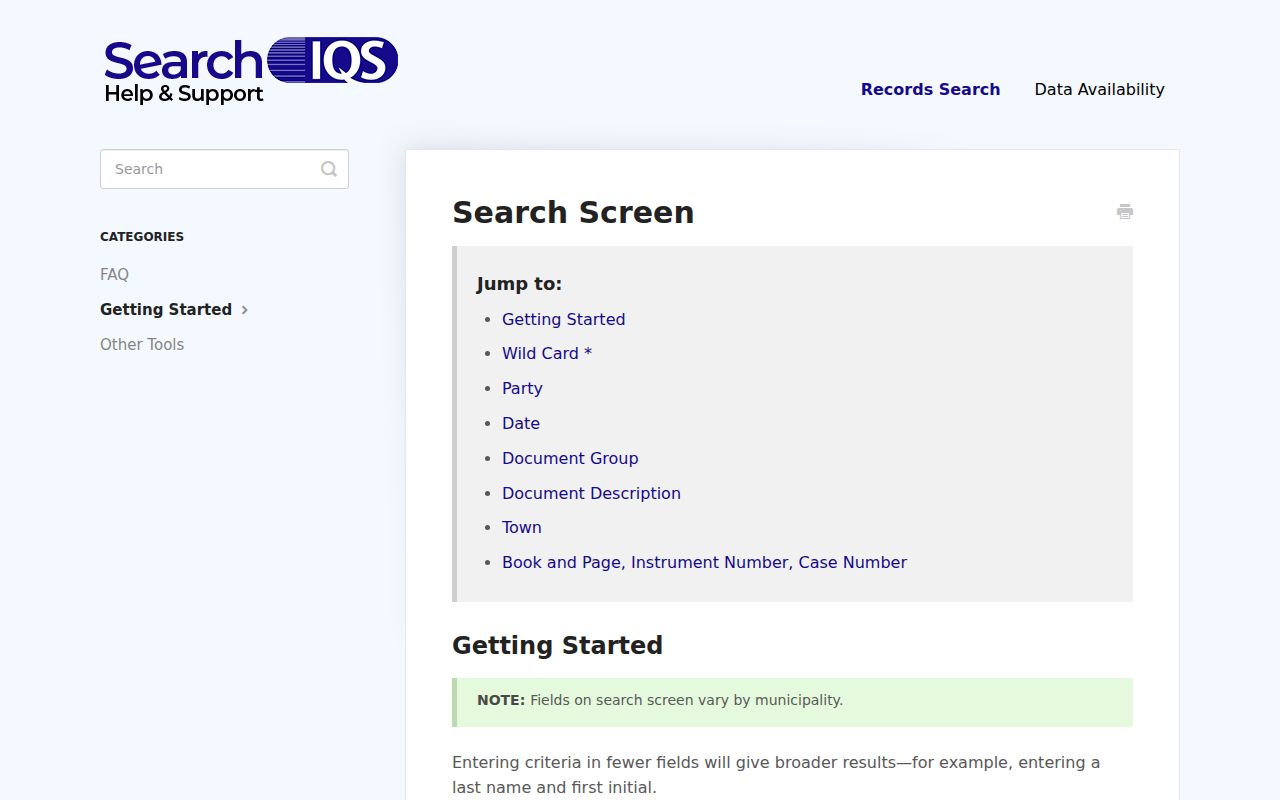
Retain exact spelling and book/page before moving back a transfer. The e-film reader instructions explain how a citation loads older filmed pages.
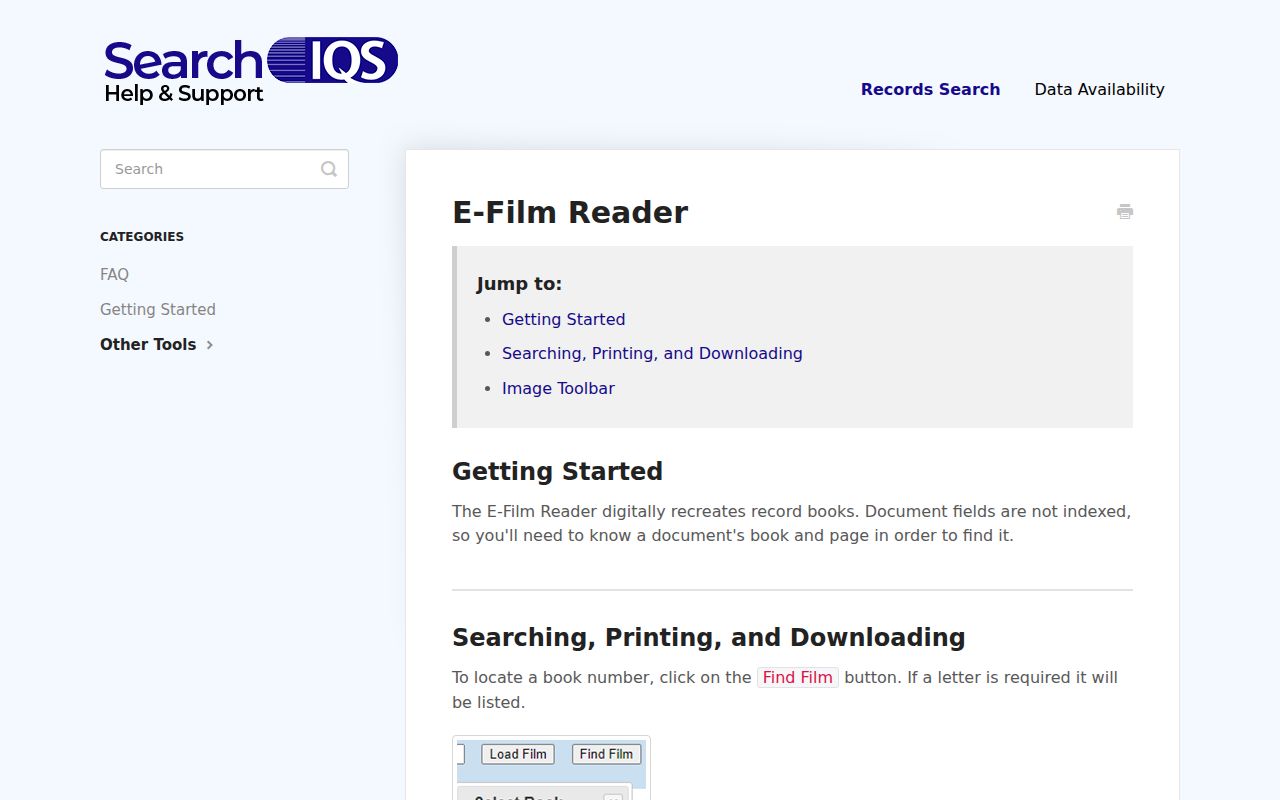
The viewer retrieves an image, but the parties and legal description must still match the known parcel.
Translate Windsor Past Resident Addresses
Windsor house numbers were not assigned until 1915. The 1909–1910 suburban directory may place a person near a trolley stop instead. Local examples include Wilson Congregational Church at stop 6½, Windsor Public Library at 28, Thrall School at 44, and Rainbow center at 70. This quirk can make a good name search look empty.
The Windsor trolley-line history preserves that older address system.
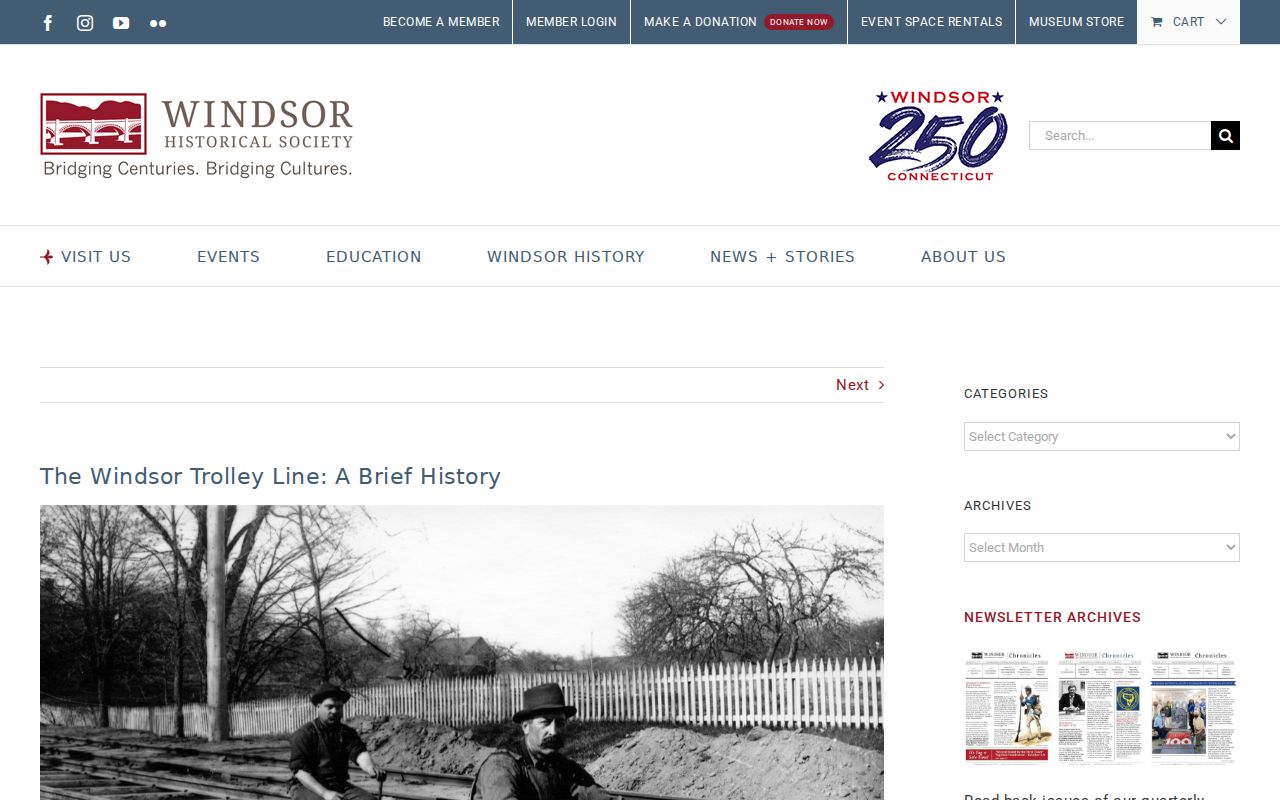
Bridge a stop to today with the road, village, landmark, map, and legal description. Never force an old listing into a modern number without those joins.
Windsor Resident House Files
The Windsor Historical Society finding aids include files for more than 250 homes, businesses, and demolished properties. A folder may combine deeds, tax records, probate, maps, photos, notes, and correspondence. That evidence can explain a name or building change left unclear by an official index.
Research access is at 96 Palisado Avenue, Wednesday through Saturday, 11 a.m. to 4 p.m. Coverage differs by property. Ask with the present address, an older village name, owner surname, and known map or deed citation. A demolished building may remain visible here after it disappears from the current parcel card.
WHS historic-house research demonstrates the method. Beverly Garvan's house list was built by comparing land deeds, tax assessments, probate, maps, and family genealogies. The published examples include buildings at 901, 1021, and 1053 Windsor Avenue, plus a Loomis Chaffee campus house dated to 1688. Those dates are research leads, not a substitute for a present deed. For another property, copy the same sequence: establish the parcel, test the building date against a map or tax source, then connect named people through deeds and probate. This keeps a house date from being mistaken for the year one family arrived.
Date Windsor Property Changes
The Library of Congress Windsor Sanborn record lists 1887, 1921, and 1927 editions. These fire-insurance maps show selected building footprints, materials, and fire-risk details. They help test whether a structure stood on the site, but they do not name every occupant.
Windsor also keeps an electronic residential plot-plan and survey database, though not for every property. Permit applications can show work type, address, owner contact, contractor, description, and value. A complete public historical result index was not verified. Request a defined address and period instead of assuming all permits are online.
The map trail can also resolve a broken street match. Compare the deed's lot or bounds with the assessor's map/block/lot, the GIS polygon, and a historic structure near the site. Windsor center, Poquonock, Rainbow, and Wilson may appear where a modern search expects only “Windsor.” If two records use different address text but the same parcel geometry and transfer chain, preserve both forms in the notes. No authoritative townwide renumbering schedule was found, so a guessed conversion should never be presented as fact.
Note: A Windsor map or permit dates a building or project, not every person who lived there.
Rebuild Windsor Past Households
Owners are only part of the address history. Directories, telephone books, and census schedules can reveal past residents who rented, boarded, or shared a home. The collections are covered on the Windsor city directory page. For one property, line up dated household evidence against the deed chain.
- Translate the current address into its old road, village, or trolley-stop form.
- Read two directory years and copy each name, spouse note, trade, and address.
- Compare a nearby federal census year, now public through 1950.
- Use deeds to separate owners from occupants, then check probate and obituaries.
The federal 1890 schedules are unavailable. WHS reconstructed Windsor from tax and voting lists, vital, church, and funeral-home records. The They Lived in Windsor project is a local reconstruction, not a recovered census.
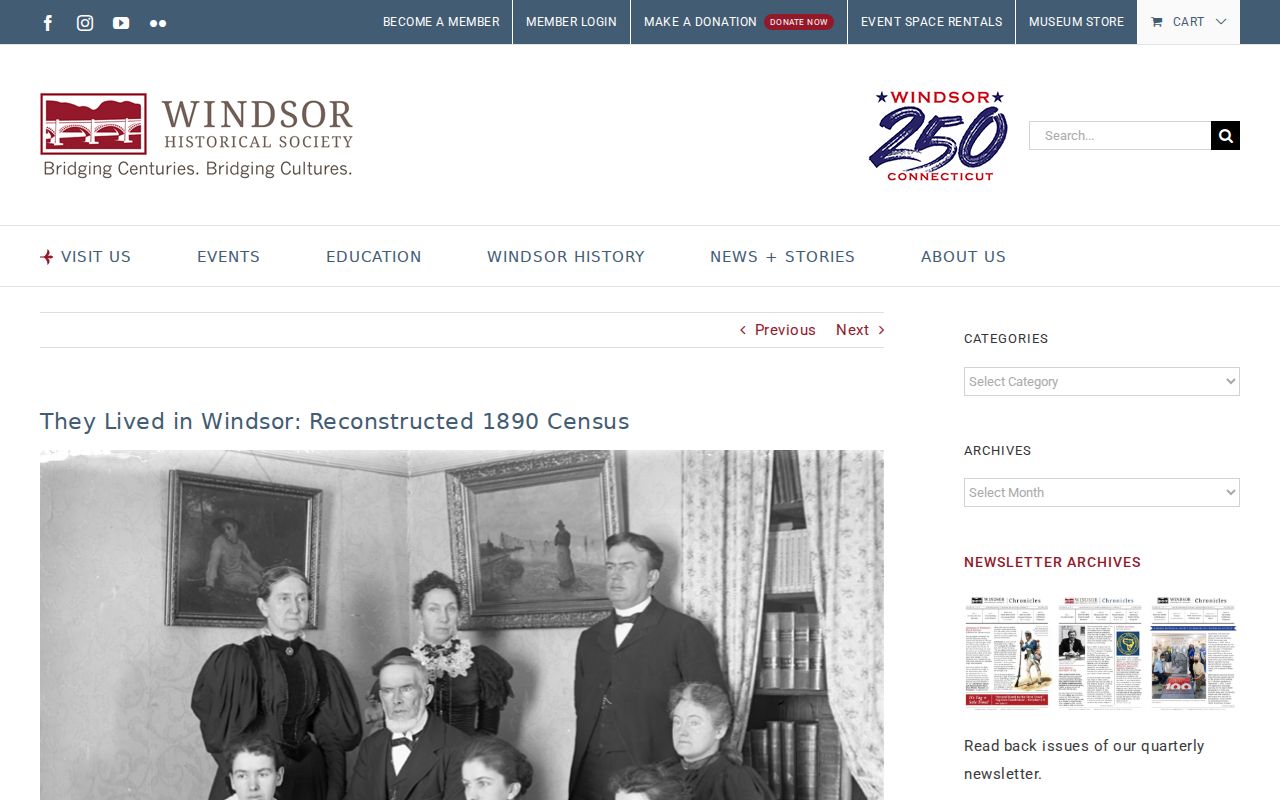
This project shows why several Windsor sources must be paired when a national record has a gap. Probate can identify heirs, and WHS subject files can add obituaries, but each claim still needs its dated source.
Lawful use. Research previous residents for house history, genealogy, and personal curiosity. Never use an address trail to watch, harass, or harm a living person.
Test Windsor Ownership Gaps
A missing deed result does not end a previous-residents search. Recheck the party under initials, spelling variants, a trust, an estate, or a surviving spouse. Then use the card’s sale date and book-page fields to narrow SearchIQS. If the transfer predates the published online image range, move to INDEXBOOKS or the Town Clerk’s office. Probate can explain an heir transfer, while a directory or obituary can show why a household name changes even when the legal parcel remains the same.
Keep negative findings precise. “No result in the chosen online fields” is safer than “no deed exists.” The town warns that recent recordings may await audit, and older records sit across several access layers.